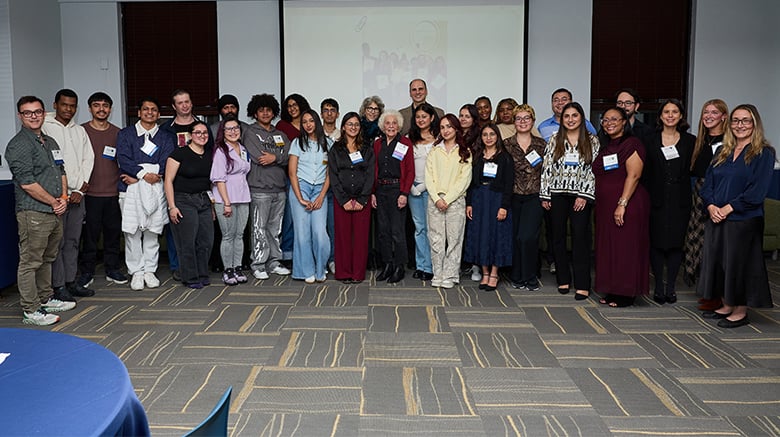
For 25 years, St. Joseph’s University, New York’s Academic Center for English Language Studies (ACES) Program has helped immigrant and international students strengthen their English language skills, build confidence and achieve their academic and professional goals.
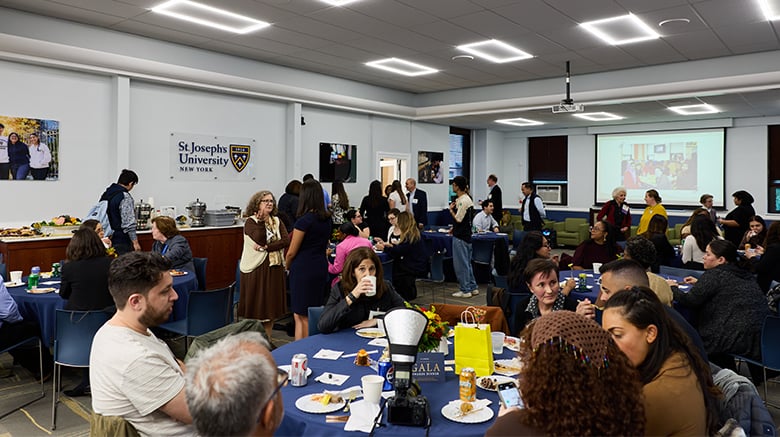
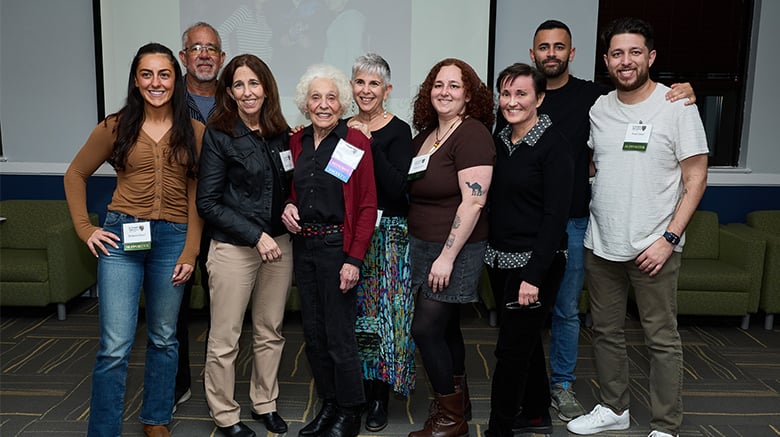
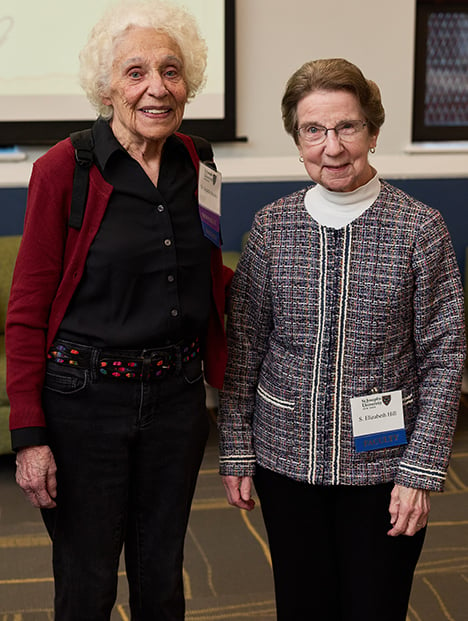
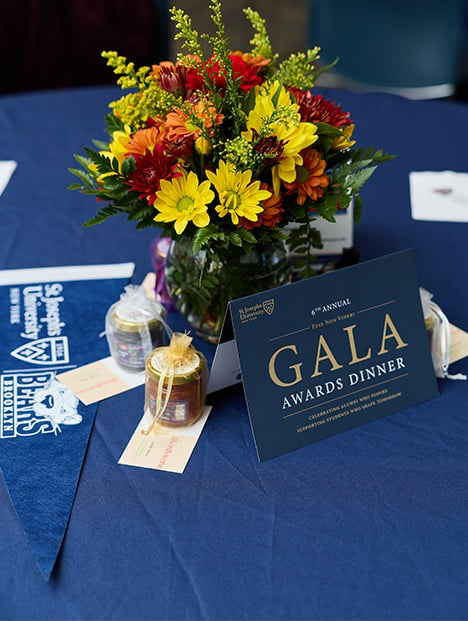
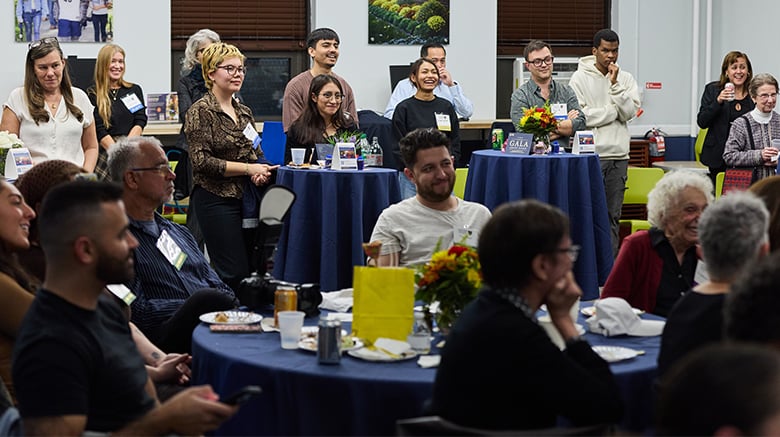
On Thursday, Oct. 22, the University celebrated this important milestone with a special anniversary event in Tuohy Hall on the Brooklyn Campus. The gathering brought together ACES alumni, students, faculty, staff and friends to reflect on the program’s remarkable legacy and honor its founding director, Sydelle Brooks, Ph.D.
The evening also marked the establishment of the Dr. Sydelle Brooks ACES Program Scholarship, which aims to raise $25,000 to provide tuition assistance to future ACES students.
During the celebration, Rory Shaffer-Walsh, representing the University’s institutional advancement efforts, announced that $7,600 had already been raised toward the scholarship.
“The ACES Program is a legacy of this institution,” Shaffer-Walsh said. “I want you to think about your part in that legacy, whether you taught, you were an administrator, you supported it, whatever it might be. You are part of a very strong legacy.”
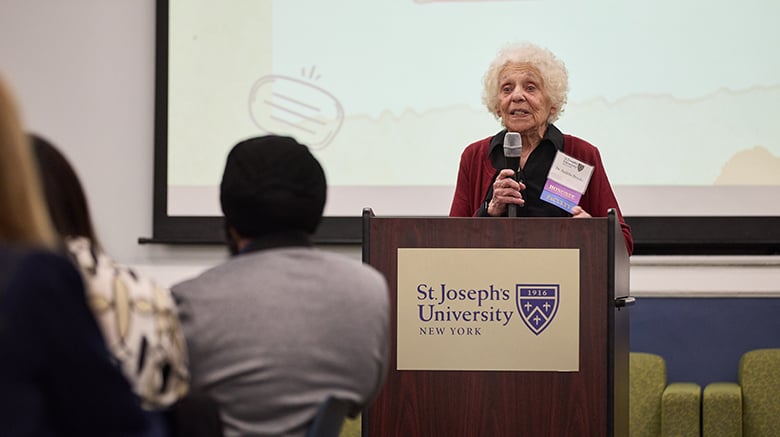
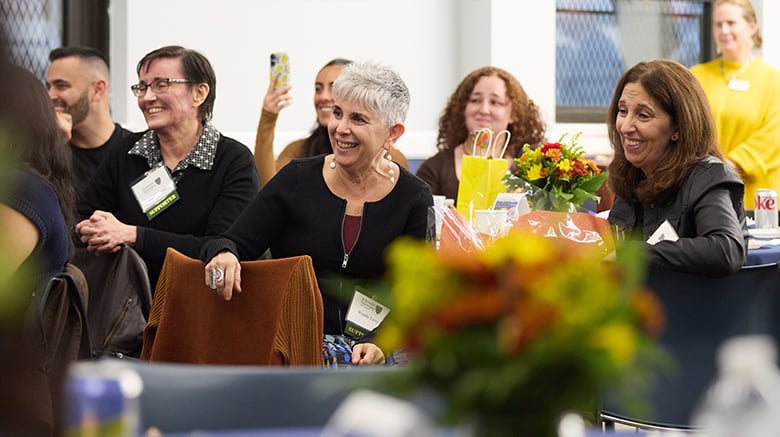
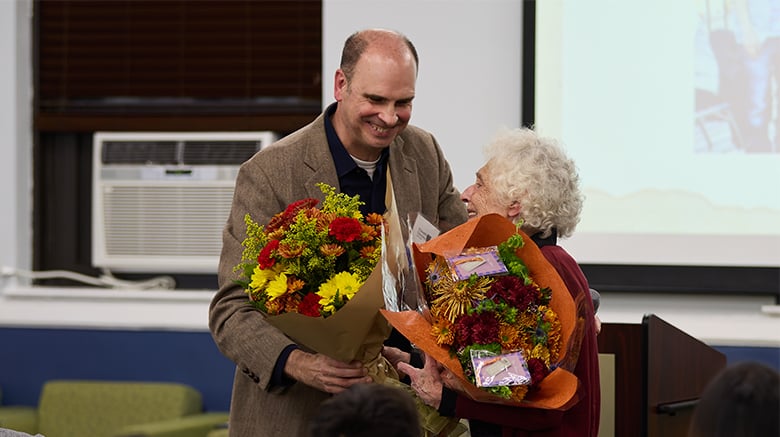
Celebrating 25 Years of Opportunity
Established in 2001, ACES was created to help immigrant and international students succeed in higher education through intensive reading and writing instruction, tutoring, faculty advisement and other academic resources.
Dr. Brooks recalled the program’s humble beginnings, including working from a makeshift office in a small brownstone on Clinton Avenue while recruiting students from Brooklyn high schools.
Over the years, ACES has helped students from around the world pursue successful careers in healthcare, education, law, finance and other fields. Four ACES students have also earned the distinction of class valedictorian.
Associate Dean Mik Larson, who served as both assistant director and director of ACES, reflected on the program’s development and the many individuals who helped it succeed.
“Not only is this an incredible program, but it now has an incredibly rich history,” Larson said.
For Dr. Brooks, the anniversary was particularly meaningful because it provided an opportunity to thank the people who helped build the program and celebrate the students whose lives it has transformed.
“I was overwhelmed when I heard about this scholarship,” Dr. Brooks said. “I am absolutely delighted.”
Sharing Stories of Success
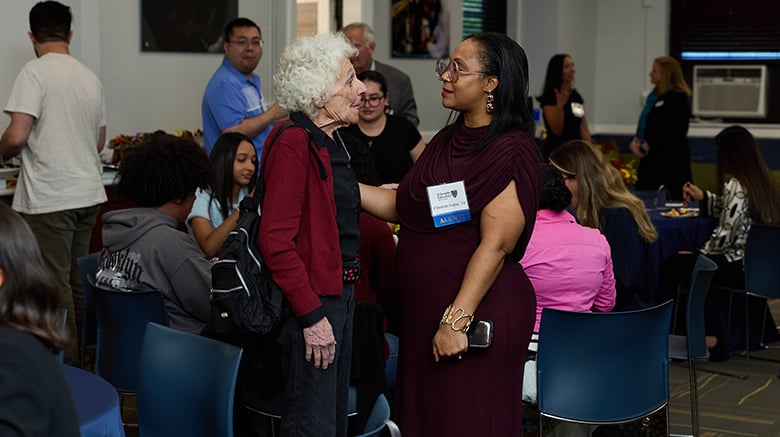
Among the evening’s speakers was ACES alumna Charlette Lopez ’10, an entrepreneur who recalled how the program helped her overcome the insecurities she experienced as a young immigrant from Kenya.
Lopez explained that ACES provided an environment where she could strengthen her communication skills without feeling judged for her accent or cultural background.
“What made the program special was the freedom to learn without feeling judged,” Lopez said. “As our vocabulary and grammar improved, so did our confidence.”
Lopez also recalled how Dr. Brooks helped her obtain a donated computer when limited financial resources forced her to spend long evenings studying in the University library.
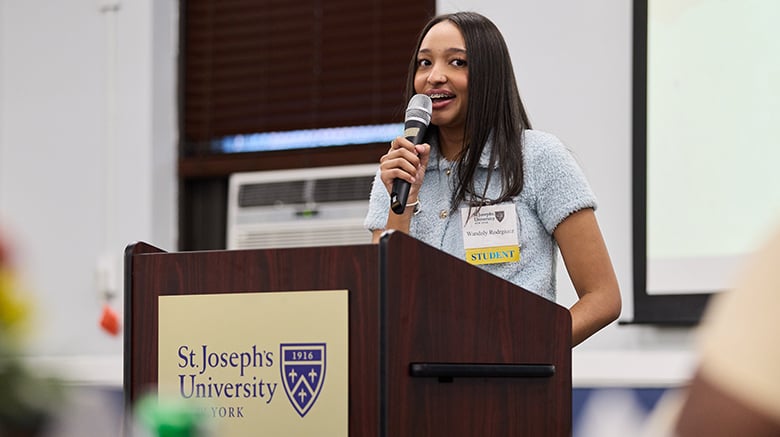
Current ACES student Wandaly Rodriguez, a senior psychology major, shared similar feelings about the program’s supportive environment.
“For me, ACES has become a place where I don’t feel shame or bad about not knowing things,” Rodriguez said. “It’s a place where I can ask questions, where I can learn and look for opportunities without feeling like I should already know everything.”
Building a Community of Support
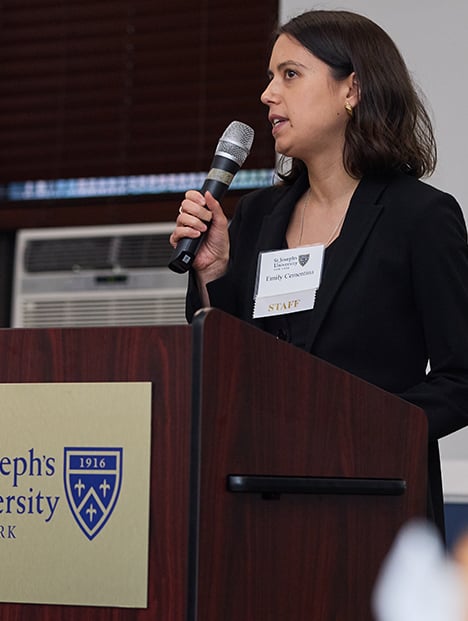
Emily Cementina, assistant director of ACES, emphasized that the program’s success depends on more than academic instruction. Its collaborative environment helps students feel welcomed, valued and supported.
“Since I joined the program four years ago, my primary motive has been to ensure that ACES is an environment where students feel seen, heard, safe and supported,” she said.
That philosophy reflects the vision Dr. Brooks established when she launched ACES 25 years ago.
“In my opinion, diversity is the most important thing for a vibrant, urban environment,” Dr. Brooks said. “You don’t have to be an anthropologist to give respect and opportunity to everyone.”
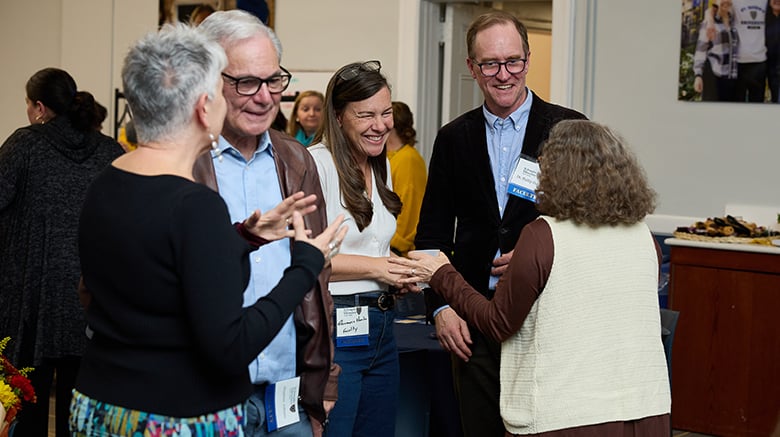
As the celebration concluded, attendees were encouraged to support the new scholarship and help ensure that ACES continues providing educational opportunities for future generations of students.
For the ACES community, the evening was more than an anniversary celebration. It was a reminder of the friendships, opportunities and enduring sense of belonging that have defined the program for a quarter century.