
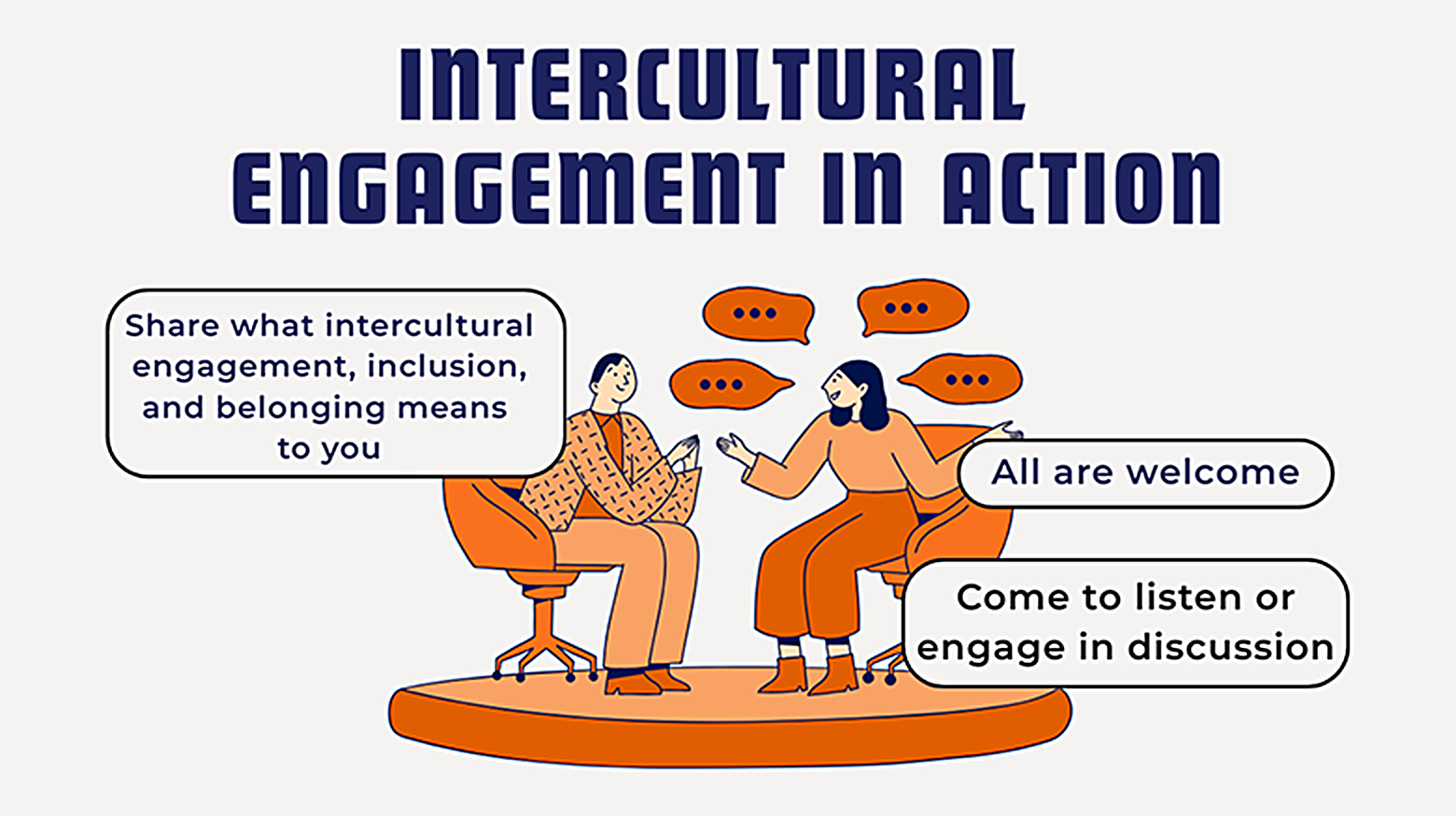
On March 24, students and faculty gathered on campus for an intercultural discussion in Tuohy Hall. Organized by assistant professor of biology Bor-Shuen Wang, Ph.D. and assistant professor of psychology Anna Egbert, Ph.D, in collaboration with the intercultural engagement committee and honors program, the event created a space for students to share their classroom experiences while engaging directly with faculty in conversation.
Breaking Down the Student Experience
The roundtable discussion focused on topics such as classroom participation, reading expectations and the overall sense of belonging students feel within their academic fields. Students shared that participation can often feel intimidating, especially in STEM classes where answers may feel “right or wrong.” Others explained that their personal experiences had a great influence, making them hesitant to speak in class.
In response to these feelings, faculty members explained that wrong answers are a valuable part of the learning process, because it allows professors to better understand where students are in their academic development. They also acknowledged that this fear exists when dealing with academic studies and discussed ways they try to create more supportive classroom environments.
Group activities were another major part of the discussion. Many students shared that working in smaller groups helps build confidence, allowing them to talk through their ideas before sharing them with the full class. However, others pointed out that not all group work is effective, especially when tasks are divided to just “get them done” instead of being tackled collaboratively.
Students also talked about differences in reading expectations across various subjects. Some explained that having the materials available before class would help them feel more prepared, and provides some clarity prior to class. Other students shared that reading in non-STEM courses often allows for more interpretation, while STEM courses focus more on understanding specific information.
The Importance of Cultural Identity
As the discussion carried on, cultural identity was highlighted as a key factor in classroom engagement. Students shared that in some cultures, speaking up or interrupting a professor is discouraged, which can make them reluctant to participate in class discussions. They also mentioned that language differences and word meanings often create misunderstandings in class.
The discussion then shifted to the idea of imposter syndrome and how it affects students in their academic journeys. Many students shared that they sometimes feel like they do not fully belong, especially when surrounded by peers who seem more educated. Faculty members encouraged students at the roundtable to view these feelings as part of their growth rather than a limitation.
Student Success Moving Forward
Overall, the roundtable allowed students and faculty to better understand each other’s perspectives, and created an opportunity for open dialogue. Students felt heard in voicing their experiences while giving faculty insight into how they can continue to support student success.
